


Summer Fleet Maintenance Checklist 2026: What's Changed and Why It Matters
.jpeg "summer prep for work trucks")
Summer Fleet Maintenance Checklist 2026: What's Changed and Why It Matters
Summer fleet prep is a familiar ritual: cooling systems, tires, batteries, AC performance, driver safety. Those fundamentals still matter. But 2026 brings a new set of variables that fleet managers can’t afford to ignore.
Between shifting supply chains, labor shortages, rising telematics adoption, and the growing presence of EVs and hybrids, this year’s summer readiness strategy requires more than dusting off last year’s checklist. It requires understanding what’s changed, why it matters, and how to adapt before the heat hits.
First: The Standard Checklist That Applies Every Summer
Even as new challenges emerge, the core pillars of summer fleet maintenance remain essential. These are the non‑negotiables; the baseline every fleet should have in place before temperatures climb.
Cooling Systems: Inspect radiators, hoses, coolant levels, and thermostats. Heat amplifies every weakness in the cooling system.
Tire Care: Monitor pressure frequently, check tread wear, and ensure proper alignment. Hot pavement increases blowout risk.
Brake System Readiness: High heat increases brake fade, fluid boiling, and rotor warping. Inspect pads, rotors, hoses, and brake fluid condition more frequently during summer operations.
Battery Health: High temperatures accelerate fluid evaporation in flooded-cell batteries. Inspect terminals. Test battery voltage and voltage drop.
Air Conditioning & Cabin Comfort: Drivers spend long hours in the cab. AC performance is a safety issue, not a luxury.
Fuel & Engine Efficiency: Heat affects lubrication, idling behavior, and fuel consumption. Keep engines tuned and fluids fresh.
Driver Training on Early Warning Signs: Teach drivers to recognize symptoms of both vehicle overheating and personal heat stress.
Formalized Heat‑Related Breakdown Protocols: Document what drivers should do when a vehicle begins to overheat; who to call, where to pull over, and how to prevent escalation.
Heat‑Specific Emergency Kits: Stock each vehicle with water, cooling tools, gloves, and basic repair supplies.
These fundamentals form the backbone of summer readiness — but they’re no longer the whole story.
Summer 2026 Fleet Readiness: What's Different This Year
Summer 2026 isn’t operating under the same conditions as last year. External pressures are reshaping how fleets should prepare, respond to, and plan for heat-related risks.
How Supply Chain Disruptions Affect Summer Fleet Prep in 2026
Parts availability had been improving post‑pandemic, but new tariffs and instability in the Middle East are tightening the supply chain again. Components that already struggle in summer — cooling system parts, tires, AC components, batteries — may face longer lead times.
How fleets can mitigate:
- Stock critical parts ahead of peak heat
- Prioritize inspections for components most vulnerable to high temperatures
- Build redundancy into ordering cycles
- Use telematics to identify parts trending toward failure before they actually fail
Labor Availability is Not Improving
Technician shortages continue across the industry. Shops are booked out further in advance, and emergency repairs take longer to schedule.
How fleets can adapt:
- Prioritize preventative maintenance to avoid shop bottlenecks
- Build relationships with multiple service providers to have options if your primary provider is backed up
- Schedule summer inspections earlier in the season
- Use mobile repair services when possible
Telematics for Summer Fleet Management: Predictive Maintenance Tips
More fleets now have access to real‑time data, but many still underuse it. Summer is when telematics becomes a powerful early‑warning system.
What fleets should monitor:
- Coolant temperature trends
- Tire pressure drift across heat cycles
- Battery voltage patterns that signal weakening
- Alerts for overheating, AC system strain, or engine load anomalies
Telematics can turn reactive maintenance into predictive maintenance, a major advantage during peak heat.
Driver Retention is Now a Business Priority
Retention pressures are rising, and summer heat puts additional strain on drivers. Safety and comfort aren’t just compliance issues; they’re retention tools.
What fleets should adjust:
- AC performance standards that ensure consistent cooling
- Hydration and rest protocols for long routes
- Updated PPE such as UV sleeves, cooling towels, and breathable uniforms
- Training drivers to recognize heat‑stress symptoms early
Showing drivers that their well-being matters strengthens loyalty and reduces turnover.
EV & Hybrid Fleets: New Summer Considerations
More small businesses are adding EVs and hybrids to their operations. Heat affects these vehicles differently than traditional ICE models.
What fleets should adjust:
- Avoid fast charging during peak heat to reduce battery strain
- Monitor battery thermal management systems
- Plan routes with shaded or indoor charging options
- Train drivers on heat‑related range loss and how to manage it
EVs perform well in many conditions, but summer heat requires thoughtful planning to maintain uptime.
Building an Adaptive Summer Fleet Strategy for 2026
The fundamentals of summer fleet maintenance haven’t changed, but the context around them has. Rising temperatures, shifting supply chains, labor shortages, new vehicle technologies, and evolving driver expectations all shape how fleets must prepare for 2026.
Adaptability is now the defining trait of a well‑run fleet. By combining traditional maintenance with data-driven insights and situationally aware strategies, fleet managers can protect uptime, safeguard drivers, and stay ahead of the challenges this summer will bring.
 About the author: Candy McCollum, Sr. Business Development Manager at Work Truck Solutions, has over 20 years of experience in the automotive industry, specializing in commercial fleet vehicles.
She focuses on developing strategic partnerships and fostering connections among end-users, fleets, partners, dealerships, upfitters, and manufacturers. Candy is passionate about driving innovation and improving knowledge sharing within the work truck landscape; her contributions have been recognized across various platforms, helping to shape this dynamic ecosystem.
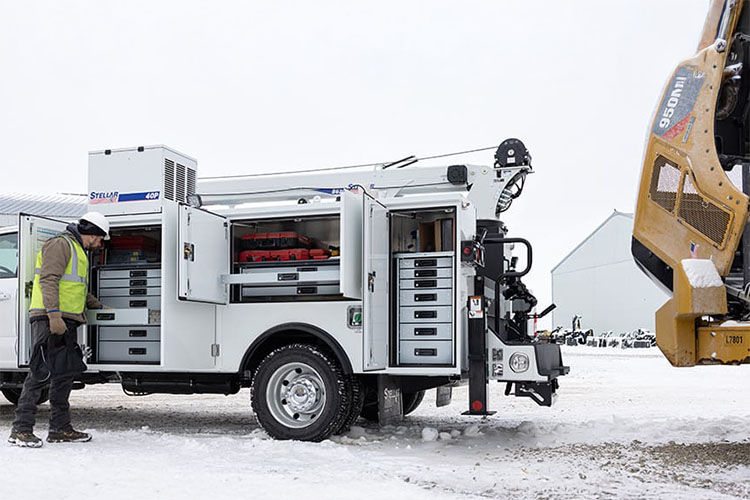 Cold Weather, Low PSI: How Winter Silently Eats Commercial Uptime
 Scholarships and Grants for the Skilled Trades: A Practical Guide
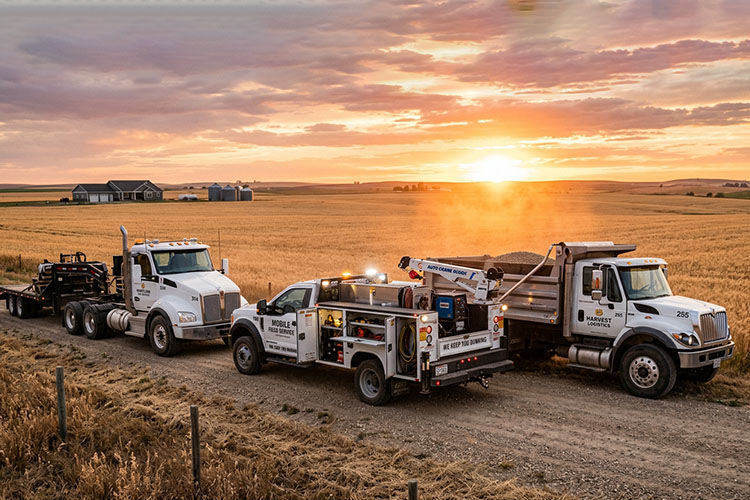 Essential Work Trucks and Upfits for Agriculture
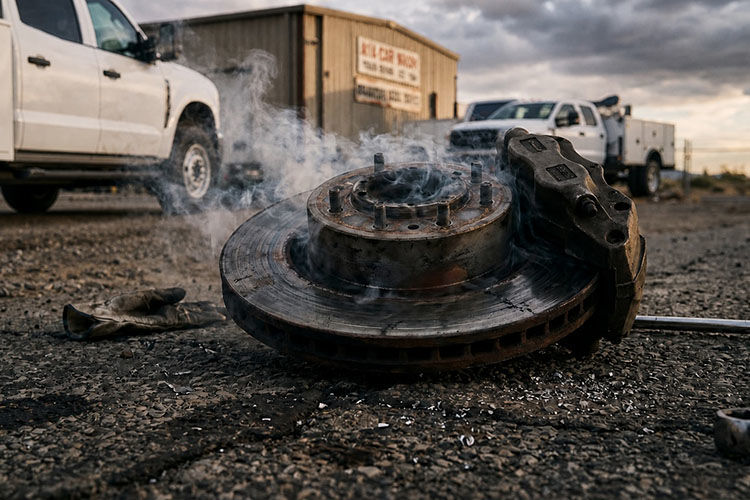 Braking Bad: How Minor Maintenance Gaps Can Total Your Fleet’s Safety and Compliance
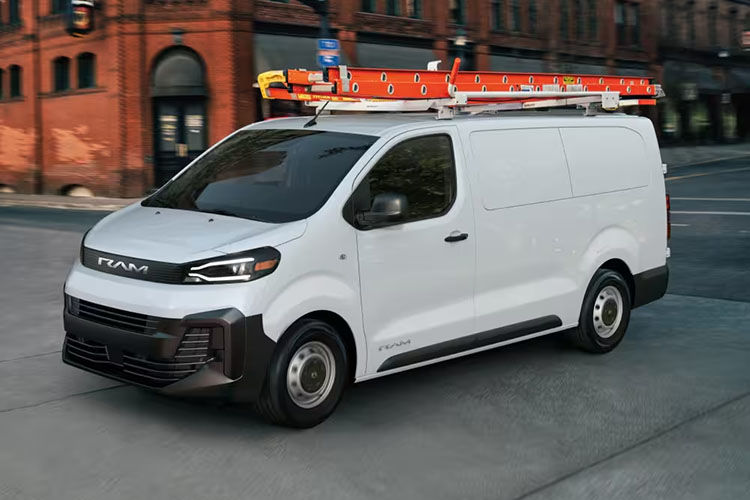 Ram ProMaster City Returns To Fill the Mid-Size Work Van Vacuum


