Roofing Trucks Buyer’s Guide

Roofing Trucks Buyer’s Guide
Roofing Trucks: Pickup vs Service Body vs Flatbed (Ladders, Racks, Payload)
The right roofing truck isn’t just about hauling materials — it determines how quickly your crew can tear-off, load, and finish the job. Whether you’re running small reroofs in tight neighborhoods or hauling multiple squares of shingles to a commercial site, the truck has to fit the workload.
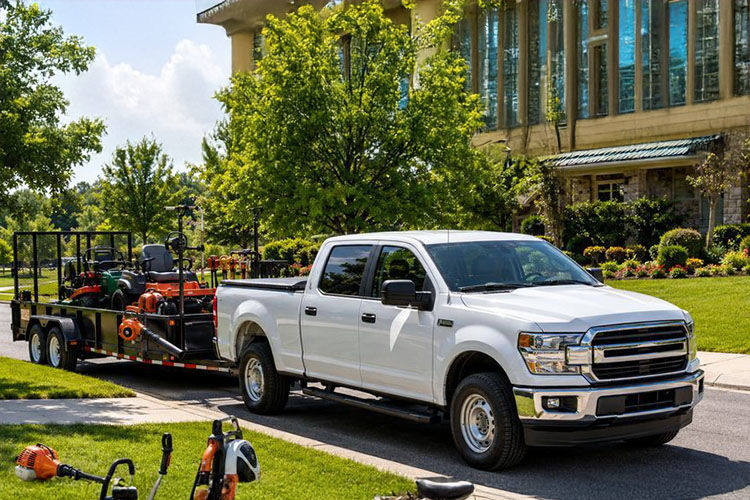
- Pickup with ladder rack – Ideal for small reroofs and repair jobs. Popular choices include the Ford F-150 or Chevy Silverado 1500 with ladder rack upfits.
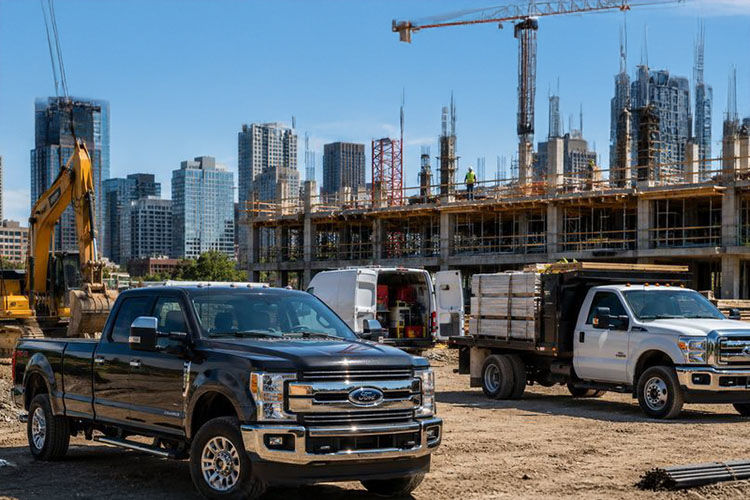
- Service body – Best for mixed crews who need organized storage for nail guns, compressors, and PPE. Work-ready models include the Ram 2500 with Knapheide Service Body or Ford F-350 XL with Reading Service Body.
- Flatbed/stake bed – Suited for heavy tear-offs and bulk shingle hauling. Common options include the Chevy Silverado 3500HD or Ford F-450/F-550 Flatbed with optional dump inserts.
Best Roofing Truck for Your Use Case
Every roofing job is different, from quick repairs to full tear-offs. That means the right roofing truck depends on the size of the project, the crew setup, and the kind of gear you’re hauling. Below are the three most common configurations roofers rely on, with clear pros for each scenario.
Small reroofs & repairs → Pickup with ladder rack
For minor reroofs, patch jobs, and small projects, a pickup equipped with a ladder rack for truck access is often the most efficient. A half-ton or three-quarter-ton pickup provides enough capacity to transport shingles, tar, and hand tools without overkill. Crews appreciate the maneuverability in tight residential areas, and a simple rack system makes transporting ladders and scaffolding straightforward.
Tear-offs & bulk hauling → Flatbed/Stake or Dump Insert
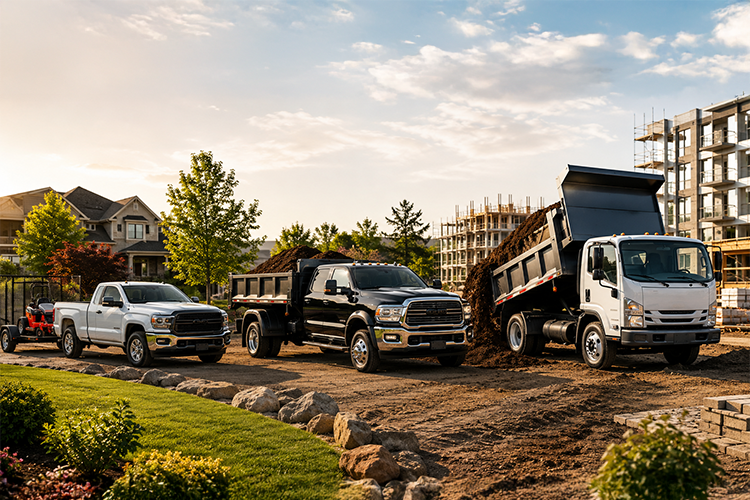
When you’re pulling off multiple layers of old shingles or hauling bulk materials, a flatbed truck for roofing or a stake-truck with dump insert is the smarter choice. The open bed offers easy side access for loading by forklift, while a dump option speeds up delivery and debris removal. For a roofing company juggling multiple projects, this setup cuts downtime and helps control costs.
Mixed crews & tool security → Service Body
When you’re managing mixed crews with specialty tools, a service truck is the best truck for roofing operations that require organization. Exterior compartments keep nail guns, compressors, harnesses, and small equipment locked away. This setup reduces theft risk, ensures your operator has everything in place, and frees up bed space for shingles and bulky gear.
Roofing Truck Requirements
No matter which body style you choose, every roofer work truck has to meet some basic standards. From safe ladder access to the right payload capacity, these requirements keep crews productive and protect both operators and equipment. Here are the essentials to consider before deciding on your next roofing-ready build.
Ladder racks & bed access
Every roofer needs quick, safe access to ladders. Ladder racks, bed steps, and non-slip surfaces on pickups or service bodies help crews keep control on the ground and reduce accident risks during installation.
Payload/GVWR targets (shingles, tar, tools)
A typical square of shingles weighs about 250 pounds. Multiply that across a 30–40 square roof, and you’ll quickly see why payload ratings matter. Aim for at least 3,000–4,000 lbs GVWR in your roofing truck if you’re carrying shingles, tar kettles, and tools together.
Towing needs (chipper, dump trailer)
Some crews also tow trailers loaded with tear-off debris or tow-behind compressors, similar to how pest control truck operators tow sprayers or supply trailers. Ensure your chosen vehicle has the right hitch setup and towing rating to handle the load.
Roofing Truck Configurations Compared
Roofing crews don’t all face the same challenges, which is why truck configurations vary so widely. Whether you’re focused on small residential jobs, mixed-service crews, or large-scale tear-offs, each build has distinct advantages. Let’s break down how pickups, service bodies, and flatbeds stack up for roofers in the field.
Pickup (½-ton vs ¾-ton)
- Pros: Affordable, versatile, easy to maneuver, and works great for small jobs.
- Cons: Limited bed space and payload. A half-ton can handle new reroofs but may max out quickly; a three-quarter-ton adds higher payload and towing, making it a good choice for growing crews.
Service body
A service body truck roofing build offers:
- Exterior boxes for tools and specialized equipment.
- Secure storage that keeps expensive products protected.
- Enough open bed space for ladders, scaffolding, or even a crane lift.
It’s the leading option when your crew needs organization, storage, and the ability to support mixed construction tasks.
Flatbed/Stake
For high-volume hauling, a flatbed truck or stake bed truck is unbeatable. Crews moving bulk shingles or decking often need the same kind of capacity you’d expect from heavy-duty forestry truck setups.
- Bulk handling of shingles, decking, and tear-off debris.
- Side access makes loading with a forklift faster.
- Options to add a dump insert for quick debris removal. This is the right choice for large-scale projects where capacity and speed matter most.
Safety & Storage Upfits
Roofing jobs demand safety-focused design to protect crews and equipment. The right upfits help roofers stay secure on the job, prevent accidents, and keep tools and materials organized. Here are the key upgrades to consider for any roofing-ready truck.
Tie-downs & ladder safety
Proper tie-down systems, rack stabilizers, and securement points ensure ladders stay in place during transport. A roofing truck with upgraded tie-downs prevents accidents on the road.
Non-slip surfaces & fall prevention
Step bumpers, anti-slip surfaces, and grab handles add another layer of safety during daily operations. The same safety-first design you’d expect in small cargo vans applies here, ensuring crews stay stable even with wet boots or heavy gear.
Weight distribution & load balance
Whether you’re running a pickup, a flatbed trucks for sale, or a service body, keeping shingles and heavy materials evenly distributed reduces strain on the vehicle and lowers accident risks. Balanced loads protect the operator, extend tire life, and improve braking control.
Shop Roofing-Ready Trucks on Comvoy
With over 440K+ nationwide listings, roofing trucks are easy to find and compare on Comvoy. Use smart filters to narrow by body type, manufacturer, or upfit. Whether you’re looking at service trucks for sale, flatbed trucks for sale, or stake bed truck builds, Comvoy’s unbiased listings let you view real models, specs, and options side-by-side.
Roofing Truck FAQs
- What’s the best truck for roofing?
It depends on your job type: pickups for small reroofs, service bodies for tool security, and flatbeds for bulk hauling. - Do I need a crane or lift for roofing jobs?
Some larger crews invest in a crane or boom lift for shingle delivery to the roof. It’s not required, but it improves efficiency for big commercial jobs. - How much payload capacity do I need?
Aim for at least 3,000 lbs for shingles, tar, and equipment. Bigger construction projects may demand a high-capacity stake or dump truck. - Can service bodies tow trailers?
Absolutely. Many service body trucks come equipped with tow packages, making them perfect for pulling a dump trailer alongside roofing work. - How do I know which upfits are right?
It depends on your crew. If you need secure storage, go service body. If you want quick debris removal, go dump insert. A flatbed is the leading option for bulk hauling.
Find the Right Roofing Truck for Every Job
The best roofing truck depends on the jobs your company takes on most often. Pickups keep small reroofs nimble, service bodies lock down gear and support versatile crews, and flatbed/stake setups dominate on big tear-offs with bulk hauling.
With transparent listings, smart filters, and unbiased comparisons, Comvoy makes it easy to find roofing trucks for sale that are built for your trade. From pickups with ladder racks to high-capacity flatbeds with dump options, the right solution is only a click away.
Published on: December 05, 2025.jpeg)