Pest Control Trucks & Vans Buying Guide

Pest Control Trucks & Vans Buying Guide
Pest Control Truck & Van Setups: Secure Chemical Storage, Sprayer Rigs, and Racks
The choice between a pest control truck and a van comes down to crew size and daily workflow.
Solo technicians often prefer compact vans, which are easier to maneuver and provide enough space for sprayers and essential gear.
Multi-person crews benefit from service body trucks, which offer exterior storage boxes and larger tank capacity to handle heavier routes.
The right setup keeps equipment organized, reduces downtime, and ensures your team can work efficiently in the field.
Compliance & Safety
Transporting chemicals requires staying compliant and keeping your technicians safe. Regulations vary by state, but most pest control businesses follow the same core practices:
- Locking cabinets and secure boxes prevent spills and unauthorized access.
- Partitions between cab and cargo area protect the driver from fumes.
- Ventilation systems ensure airflow inside cargo vans carrying sprayer rigs.
- Labeling and containment for chemicals ensures safe transport and helps avoid costly violations.
Every pest control vehicle should be designed with these safety basics in mind. Whether you’re running a utility van or a service truck, compliance is the foundation that allows your operations to scale without setbacks.
Sprayer/Tank Setup
A pest control rig lives or dies by its sprayers. The right setup balances performance, safety, and efficiency:
- Tank mounting: Tanks must be firmly mounted and balanced to keep the truck stable on the road. Poor weight distribution can affect braking control and shorten suspension life.
- Hose reels: Electric or manual reels provide quick access and help technicians cover larger areas with less downtime.
- Power systems: Gas or electric pumps keep spray pressure consistent, improving job quality and application accuracy.
- Upfitting details: Think anti-slip flooring, sealed partitions, and corrosion-resistant hardware. These features extend vehicle life and improve day-to-day operations.
Proper upfitting makes the difference between a sloppy build and a professional pest control truck that builds confidence with both technicians and customers.
Best Configurations by Team Size
Choosing the best pest control truck or van depends on how many technicians you’re running and the type of routes they handle. From solo operators to multi-tech crews, different setups provide the storage, safety, and efficiency needed to keep chemicals, sprayers, and tools organized.
Single-tech van (compact/enclosed)
For solo technicians, a pest control van setup is compact, affordable, and secure. Options like a cargo van give you an enclosed space for tanks, reels, and chemical storage. With a simple shelving setup, you can keep tools organized, protect products from weather, and ensure everything is within easy access.
If your pest control business operates in residential neighborhoods, a smaller van is easier to maneuver than a full-size truck, making it the best choice for high-frequency routes.
Multi-tech service body (exterior boxes + bed/tank)
For larger fleets, a service body pest control truck offers the durability and storage flexibility that multi-tech crews need. Exterior box compartments secure chemicals, PPE, and spray equipment, while the open bed can be customized with mounted tanks.
This service-driven layout works well when different technicians handle specialized rigs, like termite vs mosquito spraying. The organization keeps everything secure, improves efficiency, and reduces downtime when switching between jobs.
And if your fleet already includes other vocational builds like a roofing truck or forestry truck, adding a dedicated pest control truck helps streamline vehicle management and scheduling.
Costs & Maintenance (Tanks, Pumps, Seals)
Like any work truck, a pest control vehicle comes with recurring costs. Tanks, pumps, and seals all wear down from constant spray cycles and chemical exposure.
- Tanks: Expect to replace seals every 2–3 years to prevent leaks.
- Pumps: Maintenance depends on chemical types, but quarterly checks help prevent costly downtime.
- Hoses: UV and chemical degradation means most hoses need swapping every 1–2 years.
Routine maintenance not only improves safety but also keeps fleet operations predictable. Budgeting for these recurring costs ensures your vehicles stay work-ready and avoid emergency breakdowns.
Shop Pest-Control-Ready Vehicles on Comvoy
Whether you’re looking for a compact utility van or pest control pickup trucks for sale, Comvoy’s marketplace makes it easy to compare options. With 440K+ commercial listings, you can filter by tank size, payload, manufacturer, or upfit.
This transparency helps route managers and business owners choose the best truck for pest control without the guesswork. From pickup truck builds with toppers to fully enclosed vans, Comvoy provides Solutions designed to fit your team size and workload.
Pest Control Vehicle FAQs
- What’s the best truck for pest control?
For solo operators, a compact van works best. For multi-tech crews, a service truck with exterior storage is more efficient.
- How much storage do I need for chemicals?
Plan for at least 100–200 gallons of tank capacity if running multiple sprayer rigs. Always keep chemicals in lockable storage.
- Can I use a pickup for pest control?
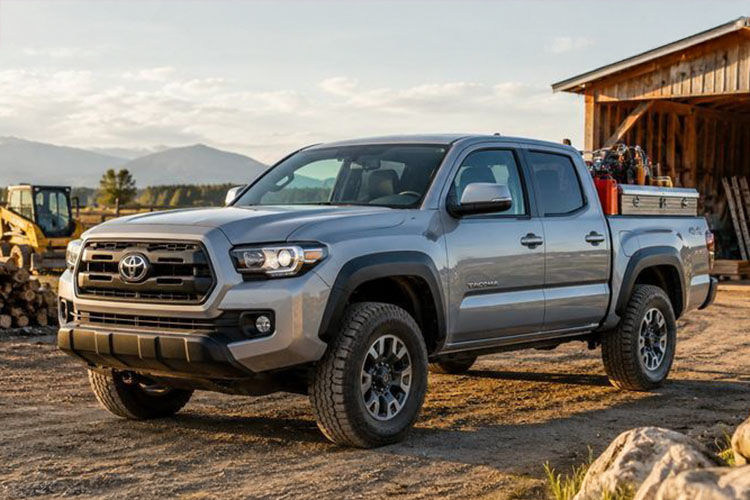
Yes. A pickup truck listing may include custom toppers or racks that turn a standard pickup into a functional pest control truck.
- How do I improve technician efficiency?
Invest in hose reels, organized storage, and well-placed equipment. A clean, organized setup saves minutes on every stop and adds up across a fleet.
- What’s the difference between a utility van and a cargo van?
A utility van includes more specialized compartments, while a cargo van is open and customizable. Both are excellent for pest control operations, depending on your upfitting needs.
- What’s the cost of upfitting a pest control truck?
Upfitting costs vary widely, but expect to spend $5K–$15K depending on tanks, sprayers, and custom solutions.
- Where can I see examples of work-ready pest control trucks?
Check out our blog on the best work vehicles for pest control for inspiration, or explore related builds like small cargo vans that can be adapted for niche routes.
Smarter Vehicles for Safer Pest Control
The right pest control truck or van is more than just a way to get from job to job — it’s the backbone of safe, compliant, and efficient pest control operations. From sprayers and chemical storage to secure compartments and organized layouts, the right design keeps crews safe and businesses profitable.
Comvoy’s marketplace makes it simple to compare pest control trucks, from compact vans to fully outfitted service bodies. With unbiased listings and smart filters, you can find pest control trucks for sale that are built to match your company’s needs today and ready to grow with your fleet tomorrow.
Published on: December 05, 2025