


Driving Business Growth Through Financial Flexibility: How You Buy Your Truck Matters

Driving Business Growth Through Financial Flexibility: How You Buy Your Truck Matters
When you’re building a business, every dollar counts. For professionals who rely on work vehicles—plumbers, electricians, landscapers, delivery services, etc.—your work truck or van is a primary tool for making money.
The trick to success is balancing vehicle acquisition and cash flow to maintain operational efficiency without compromising your business’s ability to grow and respond to opportunities. It’s a cashflow conundrum.
That balancing act requires an understanding of how financial flexibility in vehicle acquisition can free up cash and fuel your growth. Financial flexibility means making strategic decisions on how you acquire vehicles. Let’s look at the three main options and how each method may best fit into your goals.
Option 1: Leasing – The Cash Flow Conserver
For many growing businesses, leasing is a powerful tool for conserving cash flow.
Lower Upfront Cost
Unlike purchasing, leasing typically requires a much lower upfront payment, often only the first month’s payment or a small fee. This immediately preserves thousands of dollars that can be immediately reinvested into revenue-generating activities. Simply put: you rent the asset and keep your cash.
Predictable Budgeting
Leasing provides fixed, predetermined monthly payments for the life of the contract. This predictability simplifies budgeting and forecasting, eliminating the surprise costs of major repairs or fluctuating interest rates.
Ease of Turnover
Commercial leasing simplifies the fleet replacement process. When the contract ends, you simply return the vehicle and lease a new one. You avoid the time-consuming hassle of reselling, ensuring your team is always running the newest, most efficient, and most reliable equipment.
Option 2: Financing – The Strategic Asset Builder
If ownership is your goal, commercial financing is a strategic way to spread the cost and build equity over time.
Spreading the Cost
A commercial loan enables you to acquire the vehicle instantly while deferring the full cost over a multi-year term. This allows you to generate revenue with the vehicle immediately, using the money it earns to pay down the loan.
Optimized for Tax Advantages
As the owner, you may be eligible for significant tax deductions. The ability to deduct interest and vehicle depreciation, including utilizing incentives like the Section 179 deduction for certain purchases, can lower your taxable income. Be sure to check with your accountant to see how ownership benefits your specific tax situation.
Customized Structures
Commercial lenders often offer more flexible loan structures than consumer banks. You can find payment schedules that align with your business’s revenue cycles, such as higher payments during peak season and lower payments during the off-season.
Resale Value
The resale value can be a hidden asset. A well-maintained truck or van may return thousands when it’s time to upgrade. Leasing skips this step entirely, but ownership gives you control over asset recovery.
Option 3: Cash Purchase – The Debt-Free Ownership Path
For businesses with healthy reserves or those that prioritize simplicity, paying cash for fleet vehicles can be a strategic move.
Immediate Ownership
A cash purchase means you own the vehicle outright from day one. There are no monthly payments, no interest charges, and no lender requirements. This can simplify your balance sheet and eliminate long-term obligations.
Long-Term Savings
By avoiding financing costs, you save on interest and fees over the life of the vehicle. For companies planning to keep trucks or vans for many years, this can translate into significant savings.
Stronger Negotiating Position
Cash buyers who can offer immediate payment may have leverage that other types of buyers do not.
Increased Resale Value
Since you didn’t finance, there’s no interest cost eating into your total investment. Whatever you resell for is a direct recovery of your upfront cash. You retain 100% of resale proceeds, but the risk is entirely yours. Market conditions, mileage, and vehicle condition determine how much of your upfront investment you recoup.
Best Fit for Stable Cash Flow
While tying up capital in vehicles can limit liquidity, businesses with steady revenue streams and strong reserves may find that debt-free ownership provides peace of mind and long-term profitability.
Conclusion: Turning Vehicles Into Growth Engines
No matter which path you choose—leasing, financing, or cash purchase—the real goal is the same: to keep your business agile, profitable, and ready for opportunity. Yes, your trucks and vans are tools, but they’re also investments in your company’s future.
Leasing preserves cash for immediate growth, financing builds equity while balancing cash flow, and cash purchases deliver debt-free stability with full resale control. Each option has trade-offs, but the right choice depends on your priorities: liquidity, ownership, or simplicity.
By aligning your acquisition strategy with your financial goals, you transform your fleet from a cost center into a growth engine. The way you buy your vehicles matters just as much as the work they do, because smart financial flexibility today enables the business opportunities of tomorrow.
 About the author: Candy McCollum, Sr. Business Development Manager at Work Truck Solutions, has over 20 years of experience in the automotive industry, specializing in commercial fleet vehicles.
She focuses on developing strategic partnerships and fostering connections among end-users, fleets, partners, dealerships, upfitters, and manufacturers. Candy is passionate about driving innovation and improving knowledge sharing within the work truck landscape; her contributions have been recognized across various platforms, helping to shape this dynamic ecosystem.
 The Comvoy 2026 Event Calendar: We’ll See You There
 Wheel Safety Is Your Business: How to Protect Your Fleet and Your Bottom Line
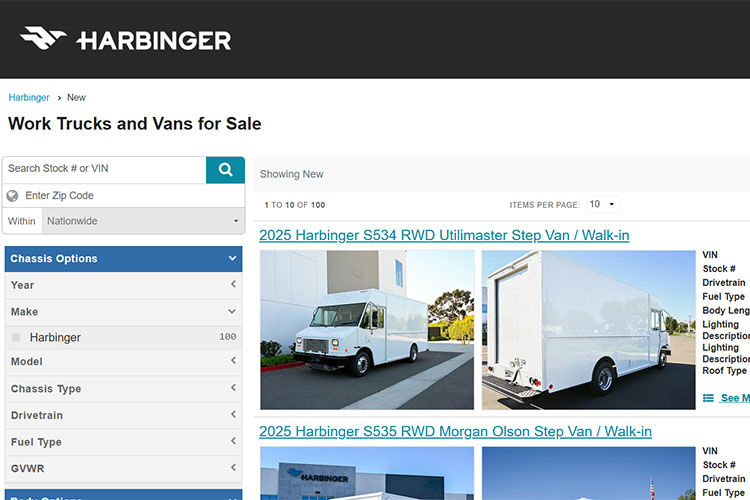 Harbinger Electric Step Vans and Cab Chassis Vehicles Now Available on Comvoy
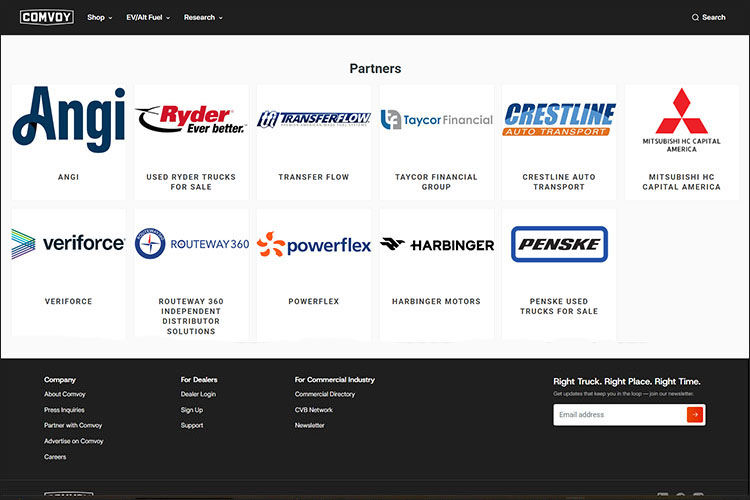 Comvoy’s Partner Network: Your Shortcut to Smarter Fleet Solutions
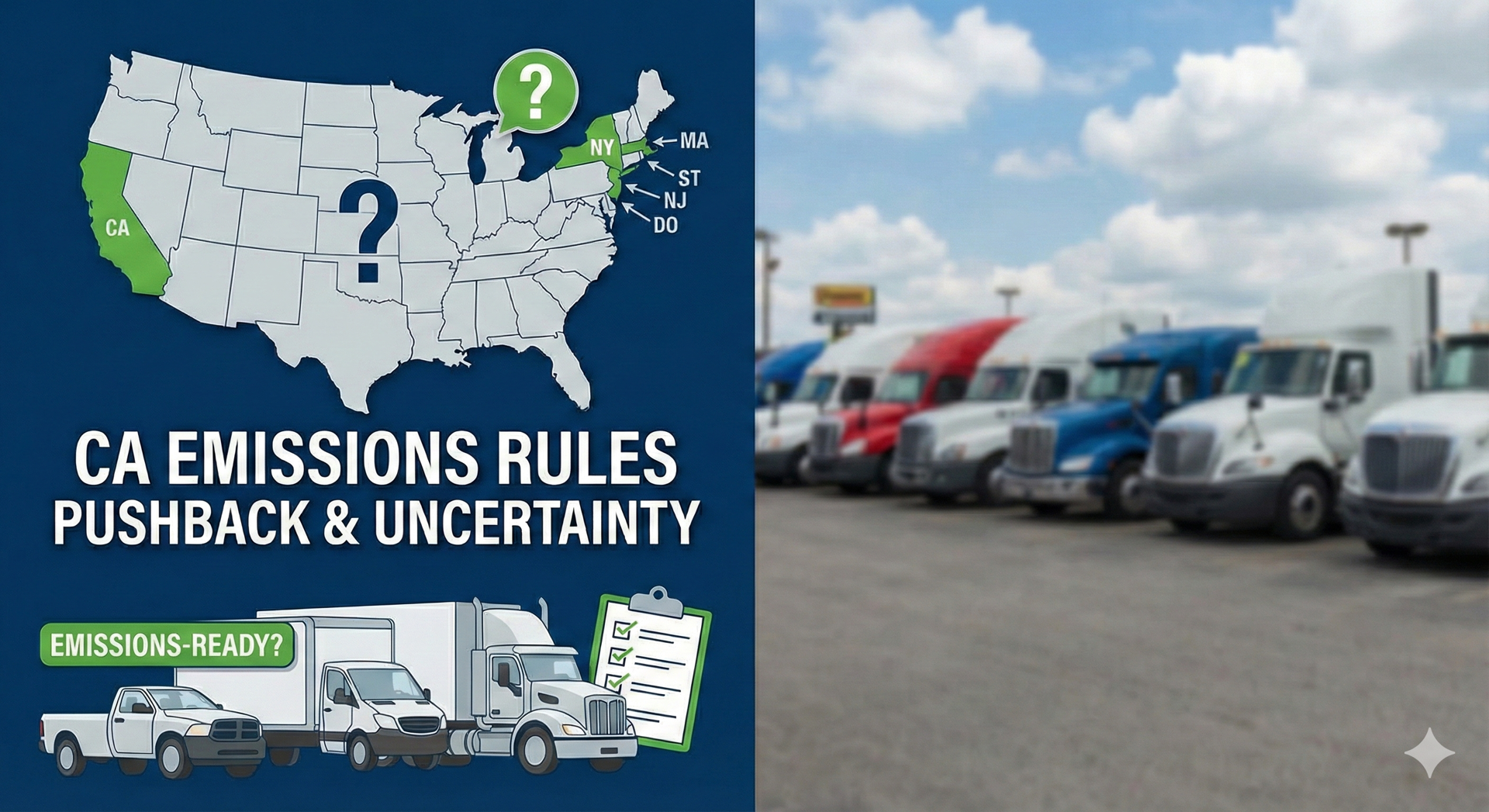 California CARB Truck Regulations & Compliance 2025


