


Best Cargo Van for Small Business: Top Models and Setups

Best Cargo Van for Small Business: Top Models and Setups
Best Cargo Van for Small Business
When it comes to the best cargo van for small business, the Ford Transit 250 Cargo Van stands out as the most versatile overall — balancing space, payload, and customization. But the right choice depends on your business needs:
- For cleaning services → Used compact vans like the Ford Transit Connect or Nissan NV200 are still popular with smaller businesses, but since they’re no longer in production, today’s new buyers will want to look at mid-size or full-size vans instead. .Recommended models: Mercedes-Benz Metris, Ford Transit, Ram ProMaster.
- For delivery businesses → A high-roof cargo van with tie-downs makes package handling easier.
Recommended models: Ford Transit High Roof, Mercedes-Benz Sprinter. - For trades (electrical, plumbing, HVAC) → A full-size van with power inverters and storage kits fits tools and parts.
Recommended models: Ford Transit 250, Ram ProMaster. - For mobile services (pet grooming, detailing, on-site repair) → A utility-style van with a flexible interior works best.
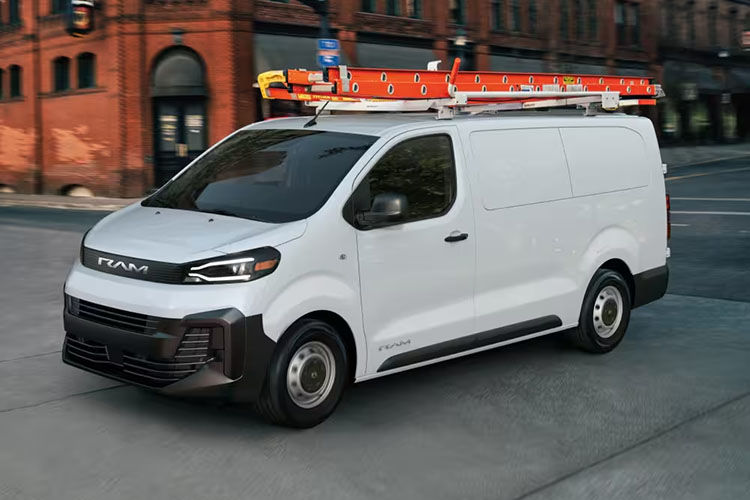
Recommended models: Ford Transit Crew Van, Ram ProMaster City.
Each option has its pros and cons — from Ford Transit vs Ram ProMaster to Sprinter and smaller city vans — and the best pick comes down to how much space, payload, and flexibility your team needs. Keep reading for a full breakdown of features, costs, and use cases so you can choose with confidence.
Small Business Cargo Van Buying Guide
When you’re running a small business, the right small cargo van is the backbone of your daily operations. Whether you’re hauling cleaning equipment, making local delivery runs, or handling trade jobs, the van you choose directly impacts efficiency, customer satisfaction, and long-term costs.
But with so many models on the market, how do you decide which one fits your workflow? Should you go compact or full-size? Gas, diesel, or even electric? And what about upfits like shelving, partitions, or ladder racks?
This buying guide breaks it all down in plain English. We’ll compare the features that matter, highlight commercial cargo vans built for different business types, and provide practical advice you can use today to ensure you’re making the right choice.
Capacity & Dimensions: Cargo Volume, Roof Height, Wheelbase
The first thing every business owner should ask: How much space do I really need?
- Cargo volume: Compact vans like the Ford Transit Connect and Nissan NV200 top out around 120–150 cubic feet. Full-size options like the Ford Transit or RAM ProMaster can stretch beyond 400 cubic feet.
- Roof height: A low roof makes it easier to navigate parking garages, while a high-roof van allows operators to stand upright inside. This is a major benefit for trades that use larger tools and need mobile workshops.
- Wheelbase length: Longer wheelbases expand cargo room, but can limit maneuverability in tight city streets. For urban delivery, a shorter wheelbase often makes more sense.
Payload capacity is another critical factor. A fully upfit cargo van loaded with shelves, materials, and products adds weight fast. Just like a roofing truck has to account for shingles and ladders, a van needs to handle the day-to-day load without compromising safety or fuel efficiency.
Powertrain & TCO: Gas vs Diesel vs EV Options
Powertrain choice is about the total cost of ownership (TCO).
- Gas engines: Lower upfront cost and great for short routes or stop-and-go driving.
- Diesel engines: Better torque for heavy loads and long highway stretches, but higher maintenance costs.
- Electric vans (EVs): New to many fleets, EVs reduce fuel costs and emissions but require charging infrastructure.
For small businesses, the choice often comes down to route patterns. A plumbing company covering a wide service area might prefer diesel for its range. Meanwhile, a local florist making neighborhood deliveries could cut costs with an EV or forestry truck.
It’s similar to choosing the best truck for roofing. You weigh payload, route type, and long-term operating costs to find the sweet spot.
Access & Ergonomics: Doors, Step-In Height, Visibility
Cargo vans live or die by ergonomics. Every minute your crew spends loading, unloading, or climbing into the van adds up.
- Doors: Dual sliding side doors improve curbside access. Rear barn doors that open 180–270° make it easier to load pallets by forklift.
- Step-in height: Lower is better—especially for delivery drivers making dozens of stops per day.
- Visibility: Large mirrors, backup cameras, and parking sensors improve safety, particularly in urban areas where tight turns are routine.
A van with poor ergonomics can feel like a constant uphill battle, just like a roofer work truck or pest control truck with no ladder rack for truck access. The right design makes the job easier, keeps operators productive, and reduces fatigue over time.
Transit vs ProMaster vs Sprinter: Side-by-Side Comparison
Three names dominate the market for full-size vans: Ford Transit, RAM ProMaster, and Mercedes-Benz Sprinter. Each has its own strengths and trade-offs, and small businesses often compare them before making a decision.
Ford Transit for Business: Pros, Cons, Key Specs
The Ford Transit is one of the most popular commercial vans in America, and for good reason.
- Pros:
- Multiple roof heights and wheelbase lengths.
- Smooth handling with car-like driving dynamics.
- Available AWD for all-weather confidence.
- Cons:
- Payload capacity lags slightly behind ProMaster.
- Higher MSRP than some competitors.
- Specs:
- Cargo volume: Up to ~487 cu. ft.
- Payload: 3,000–4,500 lbs depending on trim.
- Models available: Ford Transit 250 vans for sale.
For companies that want a reliable all-around van with broad dealer support, the Transit is often the best fit. It’s the van equivalent of a roofing truck—versatile, proven, and widely available.
RAM ProMaster for Business: Pros, Cons, Key Specs
The RAM ProMaster is known for its unique front-wheel-drive layout and boxier cargo area.
- Pros:
- Lower load floor for easier step-in.
- Wide interior walls maximize shelving space.
- Strong payload capacity compared to competitors.
- Cons:
- Less refined ride quality than Transit or Sprinter.
- Fewer upfitting options available through OEM channels.
- Specs:
- Cargo volume: Up to ~463 cu. ft.
- Payload: 4,000–4,600 lbs.
- Listings: RAM ProMaster 1500 vans for sale.
For delivery-intensive businesses, the ProMaster’s low floor and boxy shape make it especially appealing. Think of it as the van version of a flatbed truck for roofing: practical, no-frills, and focused on getting the job done.
Mercedes-Benz Sprinter for Business: Pros, Cons, Key Specs
The Mercedes-Benz Sprinter is the premium option in the cargo van segment, offering advanced features and high levels of customization.
- Pros:
- Exceptional safety tech, including lane-keeping assist and adaptive cruise.
- High roof and extended wheelbase options for maximum cargo capacity.
- Diesel powertrain options with strong torque.
- Cons:
- Higher upfront cost and maintenance pricing.
- Dealer network is smaller compared to Ford or RAM.
- Specs:
- Cargo volume: Up to ~533 cu. ft.
- Payload: 3,000–6,000 lbs depending on configuration.
- Listings: Mercedes-Benz Sprinter 2500 vans for sale.
For businesses that prioritize advanced design, long-haul comfort, and a brand that signals professionalism, the Sprinter is tough to beat. It’s like choosing a crane-equipped service rig over a basic pickup, it adds cost but elevates your capabilities.
Best Compact & Used Alternatives (Transit Connect, NV200)
Not every small business needs a full-size van. Compact commercial cargo vans like the Ford Transit Connect or Nissan NV200 are perfect for lighter jobs:
- Transit Connect: Easy to park, great fuel economy, and offers up to 145 cu. ft. of cargo room.
- NV200: Known for its affordability and compact footprint, ideal for tight urban areas.
For startups or smaller operators, used models can be a cost-effective entry point. Just as some roofers start with a basic stake bed truck before upgrading to purpose-built roofing trucks for sale, many small businesses begin with used compact vans and grow into full-size models as demand increases.
Recommended Upfits by Use Case
Cargo vans are blank canvases. With the right upfitting, they transform into specialized business tools, whether for cleaning, delivery, or skilled trades.
Cleaning & Service Vans: Shelving Kits and Partitions
Cleaning crews and field service providers often carry chemicals, vacuums, and small tools. A partition keeps the driver safe from loose materials, while shelving kits help keep supplies organized. For companies handling multiple stops per day, these upfits improve both efficiency and safety.
Delivery Vans: Shelves, Cargo Security, Tie-Downs
Delivery businesses need secure ways to transport packages. Adding shelves, tie-down points, and locking bulkheads ensures packages stay in place during transport. It’s a similar principle to adding a ladder rack for truck setups in roofing—the right add-ons ensure you deliver products safely and on time.
Mobile Trades: Inverters, Lighting, Power Management
For electricians, HVAC techs, or plumbing crews, mobile power is essential. Upfits can include inverters, LED lighting, and extra outlets so operators can run equipment directly from the van. Think of it as the cargo van equivalent of a service body truck roofing setup—it turns your vehicle into a rolling workshop.
Shop Cargo Vans on Comvoy
With cargo vans for sale nationwide, Comvoy makes it easy to compare listings across manufacturers, roof heights, and wheelbases.
- Browse commercial cargo vans with filters for roof height and interior length.
- You can narrow your search to specific models, such as Ford Transit 250 vans, RAM ProMaster 1500 vans, or Mercedes-Benz Sprinter 2500.
- Explore related body types, such as utility vans, or browse utility vans for sale if you need added storage compartments.
With 440K+ listings, Comvoy’s platform takes the guesswork out of shopping. You can view specs, compare payloads, and quickly find vans that are built for your type of work—whether it’s cleaning contracts, local package delivery, or mobile trade services.
Cargo Van FAQs
- What’s the best cargo van for a small business?
It depends on your needs: Transit for all-around versatility, ProMaster for payload and interior width, Sprinter for advanced features and capacity.
- Should I buy new or used?
New vans offer a warranty and the latest safety tech. Used vans are budget-friendly but require closer inspection. Just as a roofing company chooses between a new roofing truck and a pre-owned option, the decision hinges on budget vs. long-term value.
- How much capacity do I need?
Start with your daily load. A cleaning crew may need 150 cu. ft., while a trade contractor could require 400+ cu. ft. The wrong capacity can cost you time and control over your workflow.
- Are EV cargo vans a good fit for small businesses?
If you operate locally with predictable routes, yes. They reduce fuel spend and align with eco-conscious customers.
- What upfits are essential?
Shelving, partitions, and power management are top priorities. For tradespeople, adding a roof rack is the van version of a roofing truck with a ladder rack for the truck, which is a practical, safe, and essential addition.
Published on: December 05, 2025 Essential Work Trucks and Upfits for Agriculture
 Braking Bad: How Minor Maintenance Gaps Can Total Your Fleet’s Safety and Compliance
 Ram ProMaster City Returns To Fill the Mid-Size Work Van Vacuum
 Your 2027 DPF Strategy: Compliance, Cash, and a Bonus
 How AI Is Used Across the Commercial Vehicle Ecosystem


